Introduction to the 3 Vallées Ski Area
The 3 Vallées ski area, located in the French Alps, is renowned for being one of the largest interconnected ski regions in the world. Spanning over 600 kilometers of ski slopes, it offers a remarkable variety of terrains suitable for skiers of all levels, from novices to seasoned professionals. This extensive area comprises several prominent resorts, including Courchevel, Meribel, and Val Thorens, each contributing unique characteristics that enhance the overall skiing experience.
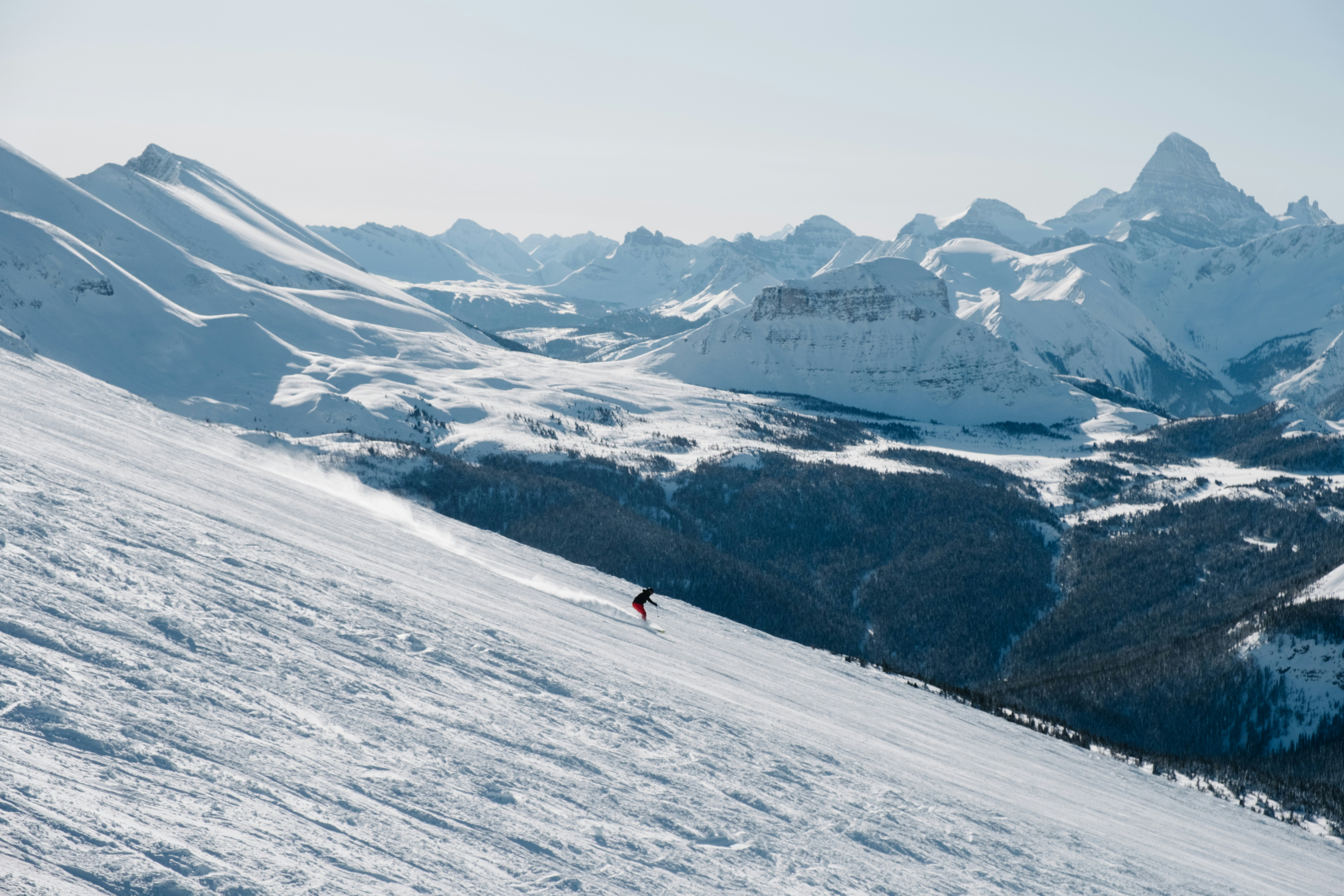
The geographical layout of the 3 Vallées features a range of altitudes, from charming alpine villages nestled at lower elevations to high-altitude slopes that provide exhilarating runs and stunning panoramic views. The diversity of the terrain includes tree-lined slopes, open bowls, and challenging glaciers, accommodating varying preferences and skill levels. It is this vast array of options that makes mastering skiing techniques essential for maximizing enjoyment and safety in this unique environment.
In addition to the impressive number of slopes, the 3 Vallées ski area is well-equipped with a variety of modern facilities. Numerous ski schools offer lessons that cater to individuals and groups, making it accessible for beginners eager to learn. For more experienced skiers, there are advanced courses focusing on refining technique and exploring less-traveled paths. The area also features ample catering facilities, ranging from cozy mountain huts serving local delicacies to gourmet restaurants, ensuring skiers can enjoy a diverse culinary experience while taking breaks from the slopes.
Accommodation options are equally abundant, ranging from luxurious chalets to family-friendly hotels, providing a range of choices to suit different budgets and preferences. This combination of world-class ski infrastructure, skilled instructors, and diverse accommodations solidifies the 3 Vallées’ reputation as a premier skiing destination. As skiers embark on their journey in this remarkable area, mastering skiing techniques becomes paramount for navigating its varied slopes and making the most of the skiing adventure.
Essential Skiing Techniques for Beginners
Skiing is an exhilarating winter sport, and mastering the essential techniques is crucial for beginners. These foundational skills will not only enhance your experience but also improve your safety on the slopes. Three key techniques to focus on are snow plowing, turning, and stopping.
Snow plowing, or the « pizza » stance, is the first technique to learn. To achieve this position, skiers should form a « V » shape with their skis by pushing the tips apart while keeping the tails close. This position helps to control speed as you glide down gentle slopes. Practicing on smoother, less crowded areas of the 3 Vallées, such as the green runs near Courchevel, is ideal for beginners to hone this skill.
Turning is another essential aspect of skiing. To turn left, shift your weight onto your left ski while gently pressing the right ski into the snow. This motion will guide you in that direction, allowing for controlled navigation across the slope. Practicing zigzag patterns on gentle inclines can build confidence and proficiency in turning. The slopes in Méribel are particularly well-suited for these exercises due to their variety of gentle terrain.
Stopping effectively is equally important for skier safety. Beginners can start by using the snow plow position to slow down and eventually come to a stop. As you gain confidence, practice transitioning into a stem or parallel stop, where both skis are pointed forward. Identifying areas with slight declines within the 3 Vallées can provide optimal locations for practicing stopping techniques safely.
In summary, mastering these essential skiing techniques—snow plowing, turning, and stopping—is paramount for beginners. By practicing in designated areas of the 3 Vallées ski region, novice skiers can develop the fundamental skills necessary to enjoy skiing and navigate the slopes with confidence.
Intermediate and Advanced Skiing Techniques
As skiers progress from beginner to intermediate levels, the mastery of advanced skiing techniques becomes essential, especially in a diverse region such as the 3 Vallées in France. This area is renowned for its extensive variety of terrains that provide perfect opportunities to practice these skills. Carving, a fundamental advanced technique, involves executing clean, precise turns on well-groomed pistes. By shifting weight and angling the ski edges appropriately, skiers can achieve a smooth arc, maximizing speed while maintaining control. The 3 Vallées boasts numerous wide, open runs ideal for perfecting carving skills, allowing intermediate skiers to transition into advanced levels seamlessly.
Mogul skiing presents another challenge for advanced skiers. This technique requires agility, quick reflexes, and the ability to navigate complex, bumpy terrain. Traction and balance play a crucial role, as skiers need to absorb the variations in moguls while maintaining momentum. The 3 Vallées offers several areas littered with moguls, where skiers can refine this skill. Committing to a proper stance, where knees stay bent and upper body remains stable, is essential for success in this terrain.
For those keen on exploring off-piste skiing, familiarity with advanced techniques is paramount. Off-piste areas in the 3 Vallées often feature deeper snow and varied conditions, making understanding how to adapt skiing style critical. Ski poles are an essential tool in this regard; they aid in maintaining balance and provide support during challenging navigations. Using poles effectively allows skiers to enhance their movements and stability, particularly when traversing through varying snow conditions. By integrating these techniques and using the diverse terrain offered in the 3 Vallées, skiers can elevate their skills and confidently tackle more challenging runs.
Safety Tips and Recommendations for Skiing in 3 Vallées
Skiing in the 3 Vallées, one of the largest ski areas in the world, offers fantastic opportunities for skiers of all levels. However, ensuring safety while enjoying the slopes is paramount. One of the first and most essential precautions is to wear proper skiing gear. This includes helmets, goggles, and appropriate layers of clothing designed to insulate and protect against cold weather. Investing in high-quality equipment not only enhances performance but also significantly reduces the risk of injuries.
Understanding the weather conditions is crucial before heading out. Skiers should constantly check the weather updates and assess the avalanche risk before venturing onto the slopes. The 3 Vallées regions can experience rapid weather changes, and awareness can help prevent dangerous situations. Furthermore, familiarize yourself with the snow and trail conditions, which can vary throughout the day and impact skiing performance.
Etiquette on the slopes also plays a vital role in promoting a safe environment. Skiers should always yield to those below them on the mountain and be considerate of others when navigating crowded areas. Additionally, it is advisable to maintain an appropriate distance from fellow skiers to minimize the chances of collisions. Skiers should also recognize their abilities and select trails that match their skill levels, which prevents accidents and injuries.
For those looking to enhance their skiing skills, there are numerous resources available in the 3 Vallées area. Local ski schools and experienced instructors offer tailored lessons suitable for beginners and advanced skiers alike. Taking lessons can significantly improve technique, making skiing more enjoyable and safer. In conclusion, skiing in the 3 Vallées is an exhilarating experience that can be enjoyed safely with proper precautions and respect for fellow skiers.
